
Summa Kitharologica, Volume 1
[Study Aid] [Book & Online Video]
The Physiology of Guitar Playing: Functional Anatomy and Physiomechanics
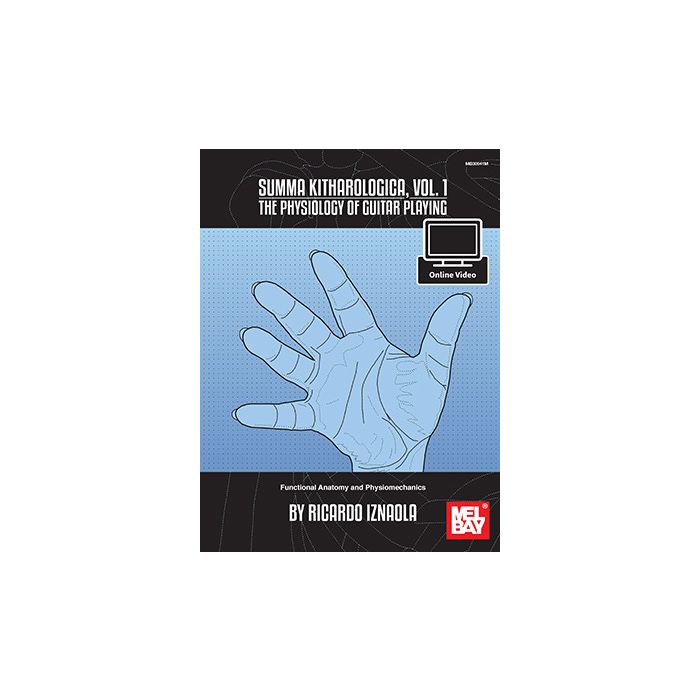
Ricardo Iznaola's long-awaited Summa Kitharologica (vol. 1) is the culmination of three decades of deep exploration of the guitarist's playing mechanism and is the most comprehensive presentation of his thinking about these matters to date. Structured in three chapters, Chapter 1 surveys basic anatomy and physiology of the upper limb, with additional sections discussing general pedagogical considerations. Chapter 2, devoted to the right hand, presents detailed information regarding digital joint behavior in general and as applied in actual activity on the guitar, as well as introducing an analytical system to study and describe positional attitudes, or `frames', adopted by the hand in the course of playing. Chapter 3 discusses at length left-hand physiomechanics, taking the concepts of shifting and mobility as fundamental categories encompassing all aspects of left-hand technique. Twenty-six anatomical figures, over fifty photos and more than sixty musical examples, as well as a companion DVD, amply illustrate the text. "In the spirit of ground-breaking scientific pioneers, celebrated performer and pedagogue Ricardo Iznaola offers the guitar world the first volume of Summa Kitharologica, a comprehensive and highly insightful examination of guitar technique in a remarkable mixture of soaring erudition and down-to-earth practical and applicable approaches to the instrument. Like a modern-day Charles Darwin of the guitar, his insatiable passion for discovery, keen eye of the `naturalist' and relentless analytical mind have carefully and methodically recorded previously little-known or little-recognized observations, relationships and nuances about the natural principles at work in artful guitar playing. For guitar instructors, serious students and even advanced performers who desire to go beyond the `what' of guitar technique and delve into its `whys' and `hows', this may well be the definitive text." Henry Adams, former editor, Guitar and Lute Magazine.
Ricardo Iznaola's long-awaited Summa Kitharologica (vol. 1) is the culmination of three decades of deep exploration of the guitarist's playing mechanism and is the most comprehensive presentation of his thinking about these matters to date. Structured in three chapters, Chapter 1 surveys basic anatomy and physiology of the upper limb, with additional sections discussing general pedagogical considerations. Chapter 2, devoted to the right hand, presents detailed information regarding digital joint behavior in general and as applied in actual activity on the guitar, as well as introducing an analytical system to study and describe positional attitudes, or `frames', adopted by the hand in the course of playing. Chapter 3 discusses at length left-hand physiomechanics, taking the concepts of shifting and mobility as fundamental categories encompassing all aspects of left-hand technique. Twenty-six anatomical figures, over fifty photos and more than sixty musical examples, with access to online video amply illustrate the text.
"In the spirit of ground-breaking scientific pioneers, celebrated performer and pedagogue Ricardo Iznaola offers the guitar world the first volume of Summa Kitharologica, a comprehensive and highly insightful examination of guitar technique in a remarkable mixture of soaring erudition and down-to-earth practical and applicable approaches to the instrument. Like a modern-day Charles Darwin of the guitar, his insatiable passion for discovery, keen eye of the `naturalist' and relentless analytical mind have carefully and methodically recorded previously little-known or little-recognized observations, relationships and nuances about the natural principles at work in artful guitar playing. For guitar instructors, serious students and even advanced performers who desire to go beyond the `what' of guitar technique and delve into its `whys' and `hows', this may well be the definitive text." Henry Adams, former editor, Guitar and Lute Magazine.
CHAPTER 1
Section 1. Musculoskeletal Framework
Nourishment
Control Systems
Types of Muscle Contraction
Section 2. Limb Joints – Anatomy and Movements
Planes of Motion
Joint Movements
Arm Muscle Location
The Shoulder Girdle
The Shoulder Joint
The Elbow, Forearm and Wrist Joints
Digit Joints
Finger Movements
Thumb Movements
Forearm Muscles and Functions — Extrinsic Muscles
Hand Muscles and Functions — Intrinsic Muscles
Summary of Basic Anatomical Terms and Abbreviations Related to the Hand
Further Exploration of the Physiomechanics of Digital Movement
Anatomical Constraints to Digital Movement
Section 3. Motor Function, Proprioception and Muscle Metabolism
Muscular Innervation
Types of Muscular Fiber
Muscle Spindle
The Body’s ‘Sixth Sense’: Proprioception and Kinesthesia
Muscle Metabolism
Leverage
Section 4. General Pedagogical Considerations
Tension and the Experience of Mastery
Sitting Down to Play the Guitar
Static Effort and Dynamic Work When Using the Footstool
Anthropometrics and Guitar Playing
Nails
Leverage Conditions in Holding the Guitar
A Kinesiological Approach to Motor Training on the Guitar
Somatic Training
The Pathology of Guitar Playing
Training for Virtuosity
CHAPTER 2
Section 1. Physiomechanical Aspects of Right-Hand Technique
Arm Support and Stroke Type
Physiomechanics of Right-Hand Fingerwork
Section 2. A Positional Framing Approach to Right-Hand Fingerwork
Theory of Positional Framing
Positional and Framing Charts
Section 3. Mobility
Shifting: Arm-Wrist-Finger Interaction
Physiomechanics of Arm Shifting: Leverage
Various Approaches to Right-Hand Technique
Angle of Inclination of the Guitar and its Effect on Right-Hand Approach
Section 4. Compendium: The Talented Hand – Positional Framing Analysis
Carcassi: Etude Op. 60, No. 1. Positional Framing in Scalar Passages
Arpeggio to Scales
Arpeggio to Repeated Notes
Interpositional Arpeggios
Well-known Arpeggio Formulas
CHAPTER 3
Section 1. Physiomechanical Aspects of Left-Hand Technique [
The Poised Limb
Fingerboard Slant and Weight-Release
Redefining ‘Shifting’
Form and Function
Section 2. Towards a Typology of Shifting
Interpositional Shifts
Intrapositional Shifts
Compound Shifting
Shifts through Extensions and Contractions
Agility Issues
Fingering: Player’s Choice
A Technical Analysis of Left-hand Mobility in Fernando Sor’s Study Op. 6, No. 8
Section 3. Compendium: Limits to the Possible
Acknowledging the Limits I: Right-Hand Coordination Constraints
Acknowledging the Limits II: Tempo Constraints
Pushing the Limits I: Maximum Speed Shifting
Pushing the Limits II: Extreme Demands for Combined Finger Dexterity and Arm Agility
| Featured Product | No |
|---|---|
| Composer | IZNAOLA, RICARDO |
| Availability | Available |
| TAB/Notation | Music Notation Only |
| Additional Media | Online Video |
| Description | Ricardo Iznaola's long-awaited Summa Kitharologica (vol. 1) is the culmination of three decades of deep exploration of the guitarist's playing mechanism and is the most comprehensive presentation of his thinking about these matters to date. Structured in three chapters, Chapter 1 surveys basic anatomy and physiology of the upper limb, with additional sections discussing general pedagogical considerations. Chapter 2, devoted to the right hand, presents detailed information regarding digital joint behavior in general and as applied in actual activity on the guitar, as well as introducing an analytical system to study and describe positional attitudes, or `frames', adopted by the hand in the course of playing. Chapter 3 discusses at length left-hand physiomechanics, taking the concepts of shifting and mobility as fundamental categories encompassing all aspects of left-hand technique. Twenty-six anatomical figures, over fifty photos and more than sixty musical examples, with access to online video amply illustrate the text. "In the spirit of ground-breaking scientific pioneers, celebrated performer and pedagogue Ricardo Iznaola offers the guitar world the first volume of Summa Kitharologica, a comprehensive and highly insightful examination of guitar technique in a remarkable mixture of soaring erudition and down-to-earth practical and applicable approaches to the instrument. Like a modern-day Charles Darwin of the guitar, his insatiable passion for discovery, keen eye of the `naturalist' and relentless analytical mind have carefully and methodically recorded previously little-known or little-recognized observations, relationships and nuances about the natural principles at work in artful guitar playing. For guitar instructors, serious students and even advanced performers who desire to go beyond the `what' of guitar technique and delve into its `whys' and `hows', this may well be the definitive text." Henry Adams, former editor, Guitar and Lute Magazine. CHAPTER 1 Section 1. Musculoskeletal Framework Nourishment Control Systems Types of Muscle Contraction Section 2. Limb Joints – Anatomy and Movements Planes of Motion Joint Movements Arm Muscle Location The Shoulder Girdle The Shoulder Joint The Elbow, Forearm and Wrist Joints Digit Joints Finger Movements Thumb Movements Forearm Muscles and Functions — Extrinsic Muscles Hand Muscles and Functions — Intrinsic Muscles Summary of Basic Anatomical Terms and Abbreviations Related to the Hand Further Exploration of the Physiomechanics of Digital Movement Anatomical Constraints to Digital Movement Section 3. Motor Function, Proprioception and Muscle Metabolism Muscular Innervation Types of Muscular Fiber Muscle Spindle The Body’s ‘Sixth Sense’: Proprioception and Kinesthesia Muscle Metabolism Leverage Section 4. General Pedagogical Considerations Tension and the Experience of Mastery Sitting Down to Play the Guitar Static Effort and Dynamic Work When Using the Footstool Anthropometrics and Guitar Playing Nails Leverage Conditions in Holding the Guitar A Kinesiological Approach to Motor Training on the Guitar Somatic Training The Pathology of Guitar Playing Training for Virtuosity
CHAPTER 2 Section 1. Physiomechanical Aspects of Right-Hand Technique Arm Support and Stroke Type Physiomechanics of Right-Hand Fingerwork Section 2. A Positional Framing Approach to Right-Hand Fingerwork Theory of Positional Framing Positional and Framing Charts Section 3. Mobility Shifting: Arm-Wrist-Finger Interaction Physiomechanics of Arm Shifting: Leverage Various Approaches to Right-Hand Technique Angle of Inclination of the Guitar and its Effect on Right-Hand Approach Section 4. Compendium: The Talented Hand – Positional Framing Analysis Carcassi: Etude Op. 60, No. 1. Positional Framing in Scalar Passages Arpeggio to Scales Arpeggio to Repeated Notes Interpositional Arpeggios Well-known Arpeggio Formulas CHAPTER 3 Section 1. Physiomechanical Aspects of Left-Hand Technique [ The Poised Limb Fingerboard Slant and Weight-Release Redefining ‘Shifting’ Form and Function Section 2. Towards a Typology of Shifting Interpositional Shifts Intrapositional Shifts Compound Shifting Shifts through Extensions and Contractions Agility Issues Fingering: Player’s Choice A Technical Analysis of Left-hand Mobility in Fernando Sor’s Study Op. 6, No. 8 Section 3. Compendium: Limits to the Possible Acknowledging the Limits I: Right-Hand Coordination Constraints Acknowledging the Limits II: Tempo Constraints Pushing the Limits I: Maximum Speed Shifting Pushing the Limits II: Extreme Demands for Combined Finger Dexterity and Arm Agility |